Products

BLACKOUT FILM

REVERSE ADHESIVE SMART FILM PNLC

REVERSE ADHESIVE SMART

FILM PNLC

From Transparent to Dark

From Transparent to Dark

TECHNOLOGY

BLACKOUT FILM: PRIVACY AND LIGHT CONTROL AT THE TOUCH OF A BUTTON

BLACKOUT FILM: PRIVACY AND LIGHT CONTROL AT THE TOUCH OF A BUTTON

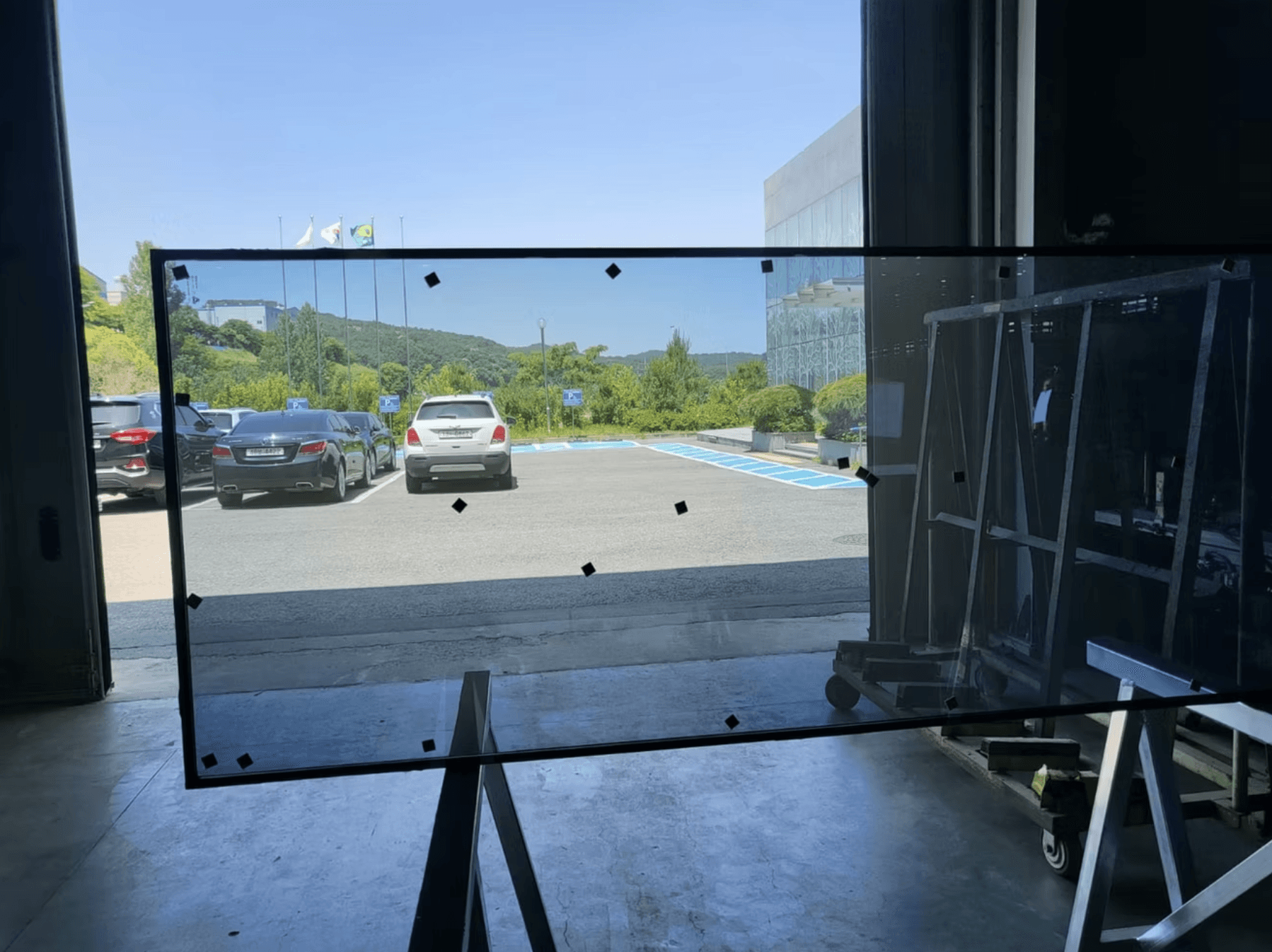
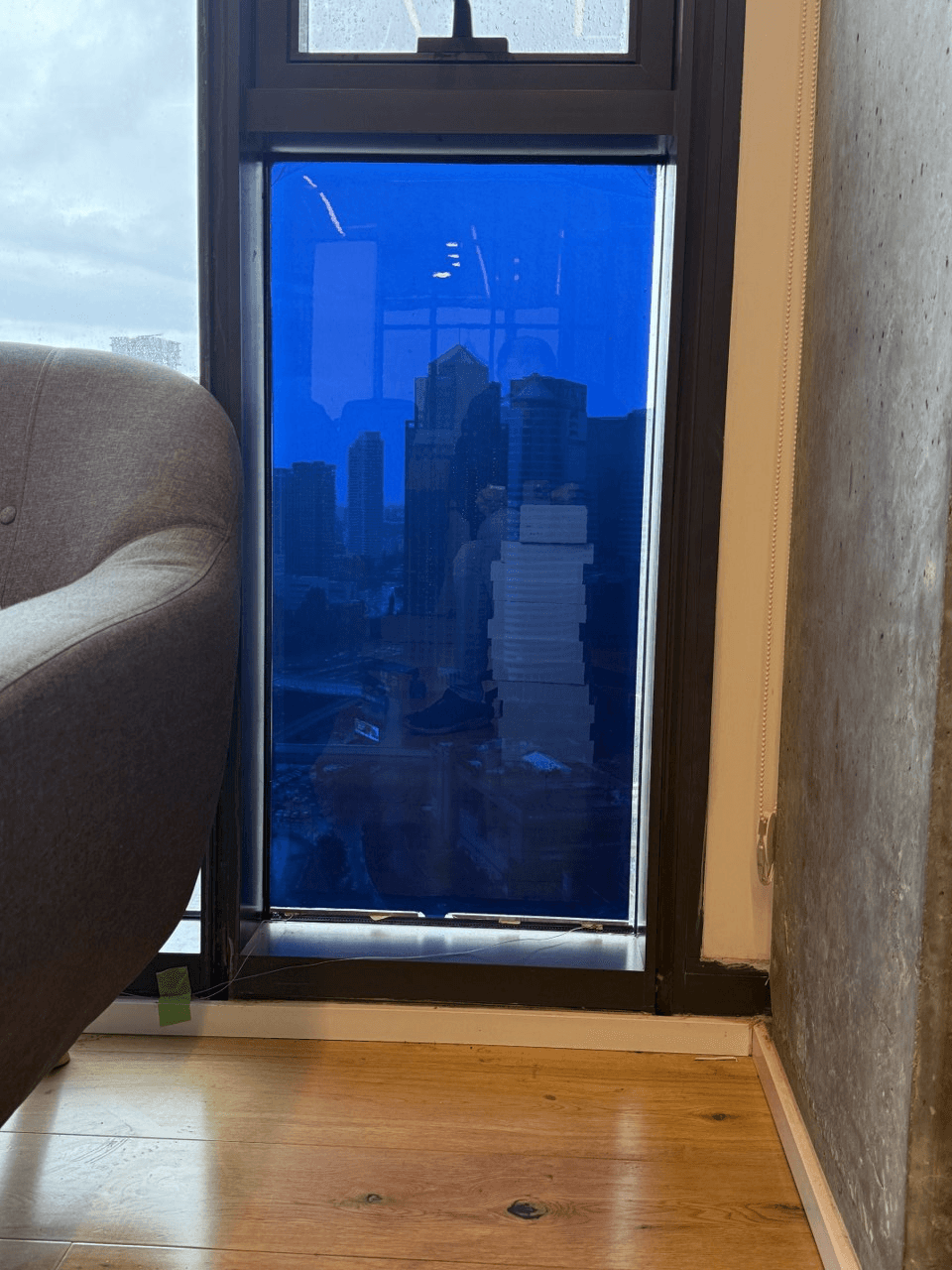
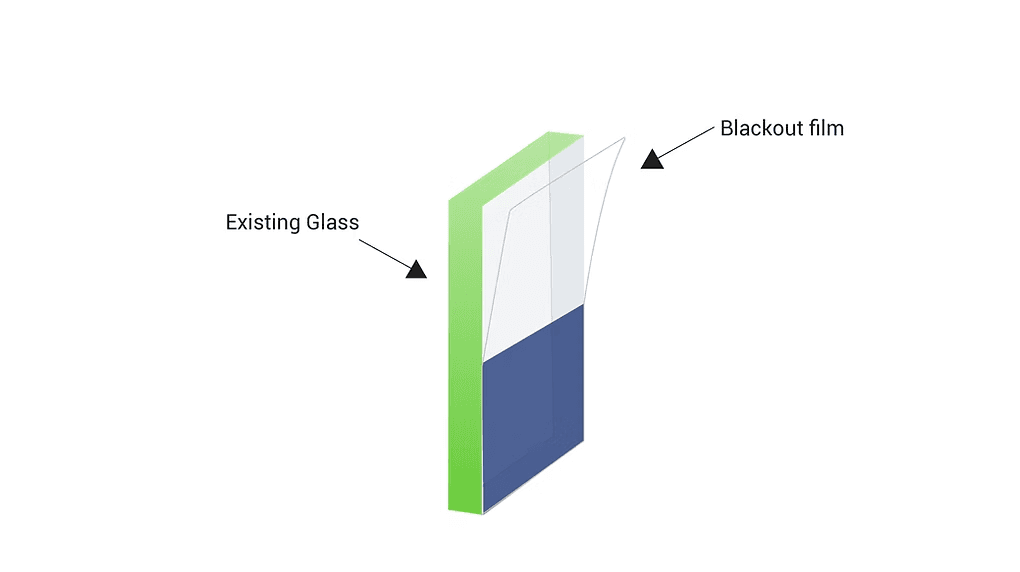
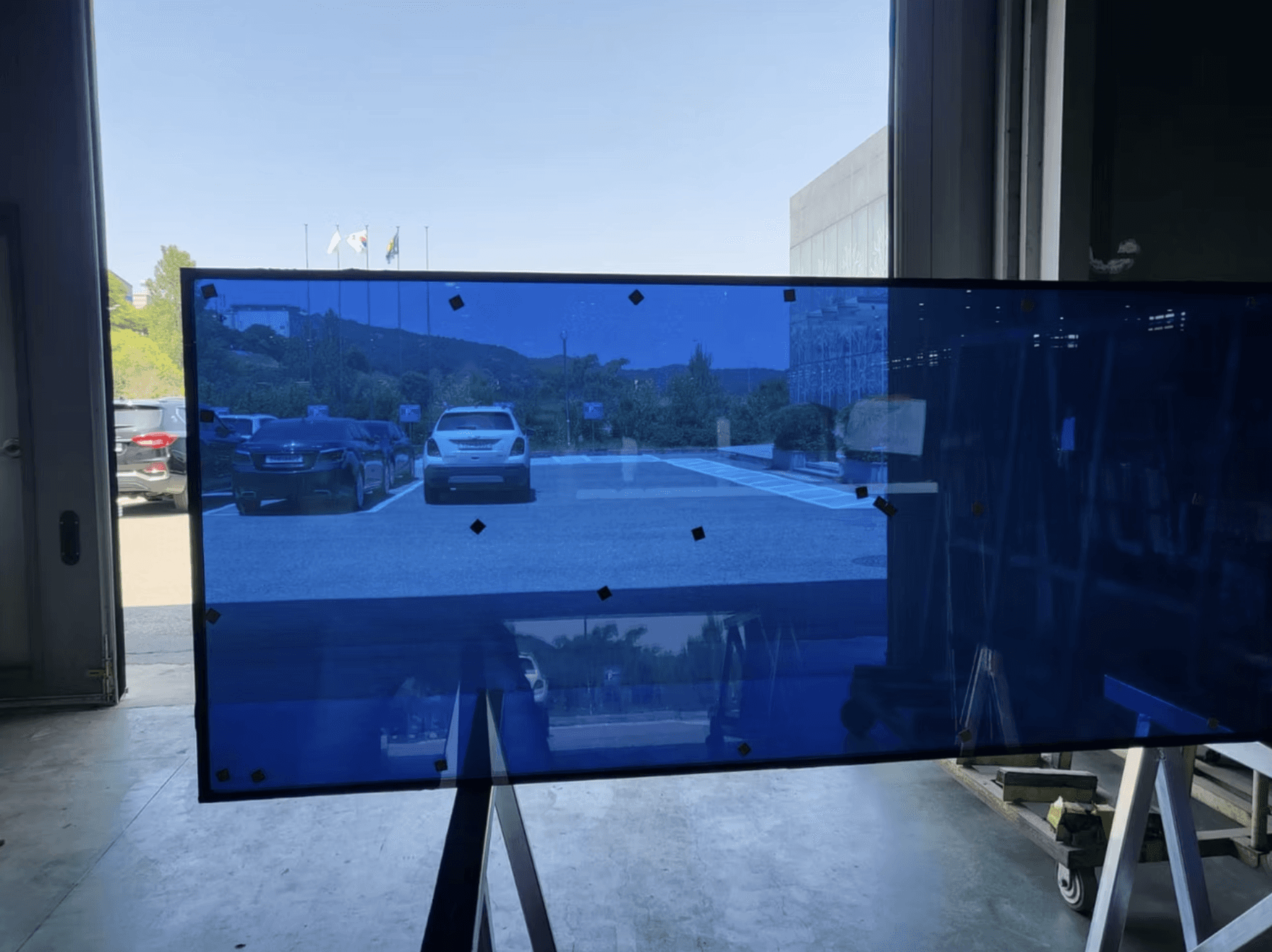
Blackout Smart Film, also known as blackout window film or blackout glass film, is based on ECF technology. A window solution that gives you complete control over privacy and light! When the power is off, the film is opaque and dark blue, with VLT of 1% (blocking over 99% of light) and providing total privacy. It's like having a built-in blind! But when you turn the power on, the film becomes transparent, just like a regular window. You can control it with a switch, remote, or even set it to change automatically with light sensors or smart home devices.

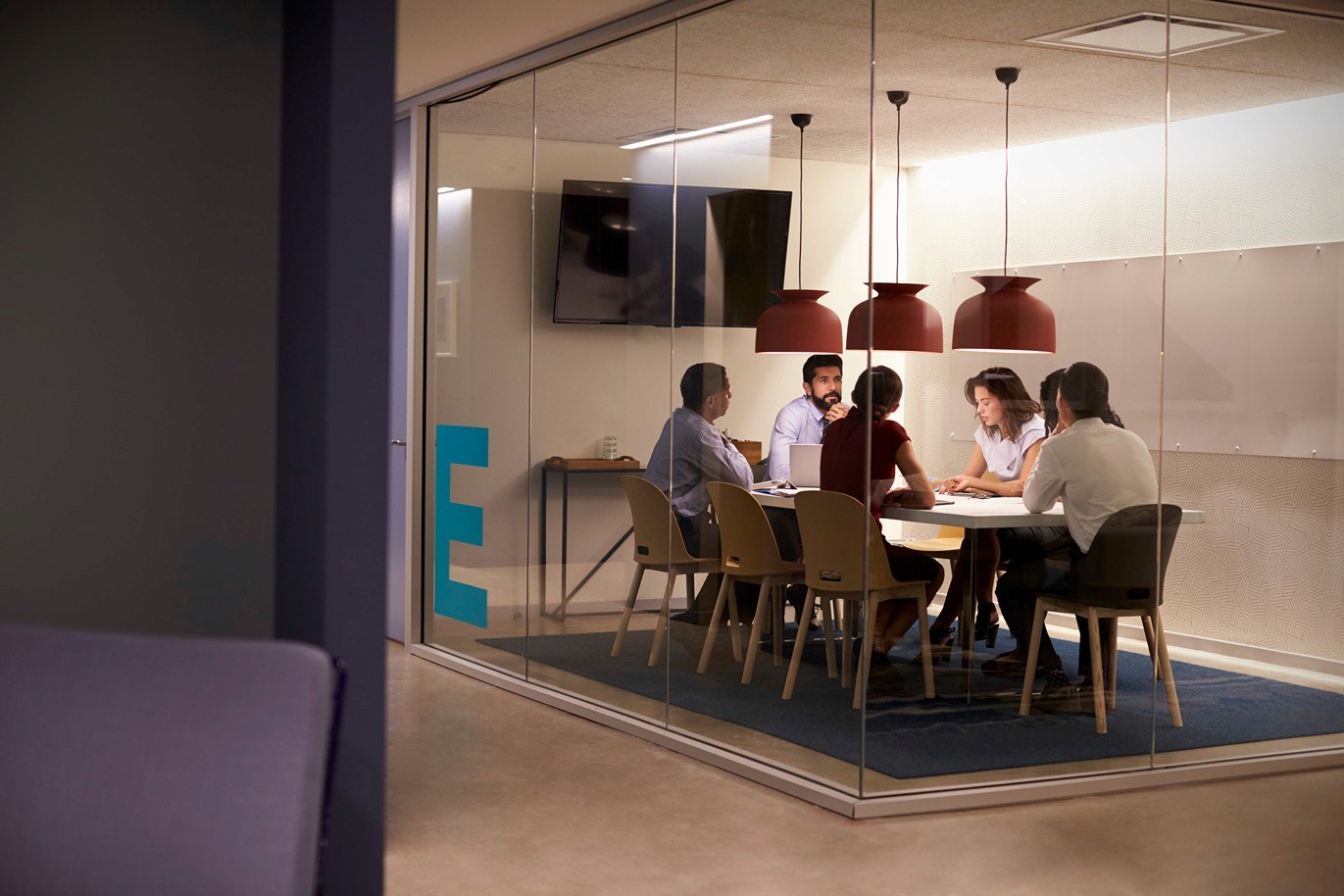
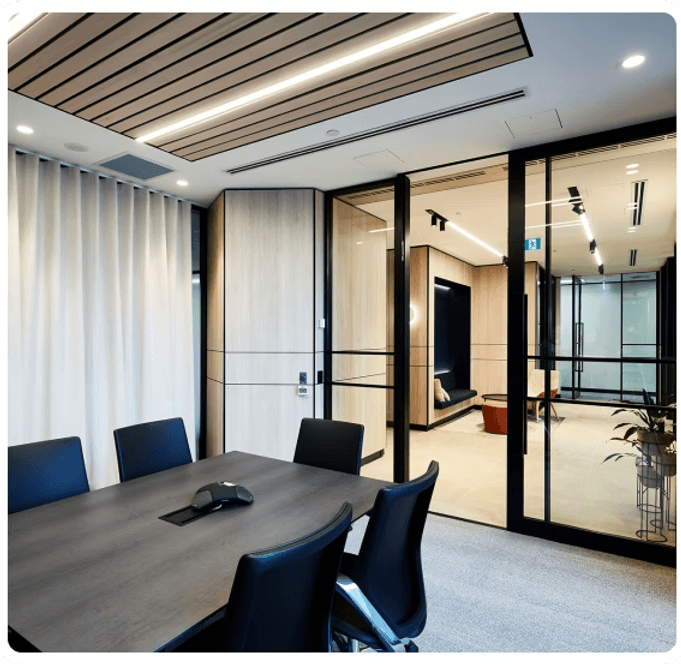
This innovative blackout film is perfect for residential use, conference rooms, video-audio sites, or any space where privacy and light control are essential.

Our Blackout Film

Our Blackout Film

Specifications

illustration

Max width: 1500mm; Length – unlimited

VLT:  (Switched OFF: 1.9%, Switched ON:52%)

UV: (Switched OFF: 96%, Switched ON:36%)

IR: (Switched OFF: 80%, Switched ON:15%)

Durability > 100,000 cycles (ON & OFF)

Dimmable

Optimal voltage 80-100 VAC

Power consumption - 5 watt per sqm/h

Thickness - 550 um
Projects
OUR BLACKOUT FILM PROJECTS

OUR BLACKOUT FILM PROJECTS

FAQS

FREQUENTLY ASKED QUESTIONS 

FREQUENTLY ASKED QUESTIONS 

What are the operating voltages as well as VLT specifications for the Blackout film?
What are the disadvantages of Smart Glass?

Smart Glass is indeed an effective acoustic product due to its composition. It typically consists of two glass layers, two interlayers, and a 5 layers film comprising a total of 9 layers. The acoustic rating of Standard Smart Glass is 37 dB, while IGU Smart Glass results with an impressive rating of 47 dB. This layered construction effectively reduces sound transmission, making Smart Glass an excellent choice for environments where noise reduction is a priority.

What are the disadvantages of Smart Glass?
Does Blackout Film provide complete privacy and block all light?
What are the disadvantages of Smart Glass?

Smart Glass can be installed in all standard aluminium frame systems, floor to ceiling as well as custom frames that can accommodate the Smart Glass thickness 12mm / ½” and covers 2cm or 7/8” of the glass.

What are the disadvantages of Smart Glass?
What formats do you offer for blackout films?
What are the disadvantages of Smart Glass?

Smart Glass typically includes two outer layers of glass, which provide structural support and protection. We use extra clear tempered polished edges glasses.

What are the disadvantages of Smart Glass?
What is the power consumption of the Blackout Film?
What are the disadvantages of Smart Glass?

Standard 12mm / ½” of Smart Glass weight 25Kg Sq.M / 6.5lb. Sq. Ft.

What are the disadvantages of Smart Glass?
What are the main benefits of Blackout Film?What are the main benefits of Blackout Film?
What are the disadvantages of Smart Glass?

Instant Light Control: Provides immediate adjustment of light transmission.

Energy Efficiency:

Reduces heat gain, lowering cooling costs.

UV Protection:

Blocks harmful UV rays, protecting interiors and occupants.

Glare Reduction:

Minimises glare, improving comfort and visibility.

What are the disadvantages of Smart Glass?